
Research
Entities, intent and the questions people ask.
Search that speaks your customers’ language.
Explore industries →Semantic Content Writing
Expert-led content written around entities, intent and real questions, so it ranks for more searches and actually helps your readers.

Definition
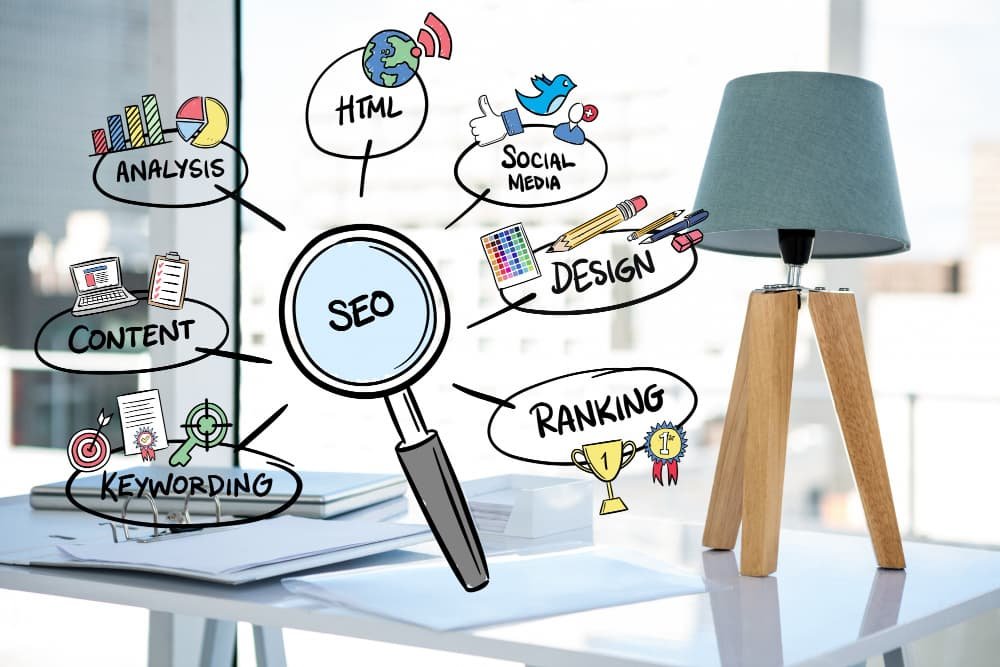
Semantic content is written to cover a topic completely (the main question, related questions, key entities and the context around them) instead of repeating a single keyword. It matches how modern search engines and AI systems understand language, so one strong page can rank for many related searches.
What’s included
Entities, intent and the questions people ask.
Clear outlines that cover the topic fully.
Accurate, readable content in your voice.
Titles, headings, metadata and media.
Structured data and internal links.
Performance checks and refreshes.
Why it matters
Cover the topic once, rank for many variations.
Readers find complete answers.
Comprehensive content is easier to quote.
Process
Topic, entities and intent.
Outline and sources agreed.
Expert drafting and editing.
On-page SEO and schema.
Rankings, traffic and leads.
In depth
Search engines understand topics and the relationships between them. Semantic content covers a subject properly, including the related questions, terms and entities people expect, rather than repeating a single keyword.
Before writing, we look at what people want when they search: a definition, a comparison, a how-to or a buying decision. The structure and depth of each piece follow that intent.
We include the people, products, places and concepts that belong in a complete answer. That context helps search engines and AI tools understand exactly what the content is about.
Each piece has a logical heading hierarchy, answer-first sections and scannable formatting, so readers and search engines can find what they need quickly.
We work with your specialists to add real examples, data and first-hand insight. That experience is what separates useful content from generic articles.
Every article connects to related pages through internal links, building topical authority across your site rather than standing alone.
Is it right for you?
You publish regularly but few articles reach page one.
Your blog repeats what everyone else says.
Topics are chosen ad hoc, without a clear structure.
Readers arrive but rarely take the next step.
What we write
In-depth guides that cover a core topic and link out to more detailed articles.
Focused pieces that answer specific questions within a topic cluster.
Commercial pages that explain what you do, for whom and why, in clear, persuasive language.
Content that helps buyers choose, written honestly and backed by clear criteria.
How we work
We map your topics, search intent and content gaps against competitors.
A prioritised plan of pillar pages and supporting articles with briefs.
We write, you review, and specialists add or check expert detail.
Content goes live with internal links, schema where it fits and tracking.
Avoid these
Repeating a phrase does not make content relevant. Covering the topic properly does.
A sales page will not rank for an informational question, and a long guide will not rank for a buying search.
Unedited machine-written articles add nothing new and rarely earn rankings, links or trust.
Posts with no internal links to or from related pages struggle to build authority.
Content that is never updated slowly loses accuracy and rankings.
Use cases
If you want to be known for a topic, a structured content cluster is the most reliable way to show depth and expertise.
Complex subjects need writers who can explain them accurately and clearly for both experts and newcomers.
Buyer guides and category content help shoppers choose and help category pages rank.
Answering the questions clients ask before they buy builds trust and brings in qualified enquiries.
We handle research, writing and publishing, with your experts only needed for review.
How we measure it
Visibility across the whole topic, not just one keyword.
Growth in qualified visits to new and updated content.
Enquiries and sales influenced by content.
Answer boxes and AI mentions earned by your content.
From brief to page
Every article starts with a brief covering search intent, the main questions to answer, related entities, competitor gaps, internal links and the call to action.
Writers research the topic using reliable, up-to-date sources and note where facts and figures come from, so claims can be checked.
For technical topics, we interview or consult your specialists. Their experience and examples give the content authority that generic articles lack.
Each draft is edited for clarity, accuracy, tone and structure, then checked against the brief before it reaches you.
Once approved, the article is formatted with proper headings, internal links and schema where it fits, then published and tracked.
Further reading
A practical process for writing content that earns search visibility and turns readers into enquiries, from search intent and outlines to on-page checks and calls to action.
Search engines now read for meaning rather than counting keywords. This guide explains what semantic SEO involves and how to apply it to your own site, one topic at a time.
Topic clusters turn scattered blog posts into an organised body of expertise. This step-by-step method covers planning, writing and linking clusters that support your services.

Free growth strategy call
White-hat methods onlyMonthly reporting you can readNo long lock-in contracts
FAQ
Experienced writers with subject-matter review, edited for accuracy and your brand voice.
We may use AI tools for research support, but every piece is written and reviewed by people.
Yes. We work with your experts to make sure content is accurate and credible.
It depends on goals and budget; we recommend a consistent cadence over sporadic volume.
It is content written to cover a topic thoroughly, including related questions, terms and entities, so search engines and AI tools clearly understand what it is about and how it fits your site.
As long as the topic needs. Some questions need 800 words, while a pillar guide may need several thousand. We decide length from search intent and competitor coverage.
Yes. Each brief includes the main topic, related questions, entities to cover, search intent and internal links.
Yes. Updating and expanding existing articles is often faster and more effective than writing new ones.
Yes. We write in British English by default and can follow your house style guide.
You do. Once published, the content belongs to your business.
We can suggest images, diagrams and tables, and source or brief them as needed.
We use reliable sources, cite statistics and ask your specialists to review anything technical before it goes live.
Of course. We combine your ideas with search research, so every piece has both business value and search demand.
New articles usually take a few months to reach their best rankings, depending on competition and your site’s authority.
A group of related pages built around one core topic: a pillar page covering the subject broadly, linked to supporting articles that go deeper into specific questions.
Yes. We keep claims accurate, follow your compliance guidance and build in time for your team to review before anything is published.
Yes. We start from your tone of voice guidelines or examples you like, and refine it with your feedback on the first few pieces.
Yes. Service and landing pages are written with the same research and structure, with extra focus on persuasion and clear calls to action.
Yes. Answer-first structure, clear definitions and well-sourced facts help content appear in AI Overviews and AI assistants as well as traditional results.
It is the reason behind a search: to learn something, compare options, find a specific site or buy. Matching content to intent is one of the biggest factors in ranking.
Yes. We can repurpose articles into newsletter sections and social posts, so each piece of research works harder across your channels.
We prioritise topics by business value, search demand and how realistic it is to rank, so early content supports the services and products that matter most.
Yes. Every article comes with an SEO title, meta description and suggested URL, written to earn clicks from search results.
Let’s talk
Tell us where you are today, where you want to go, and we’ll identify the highest-impact opportunities.